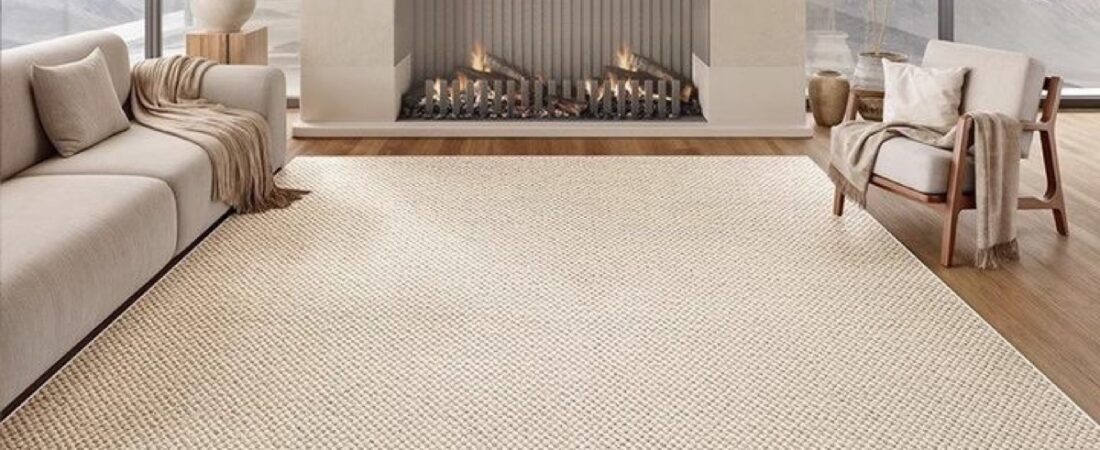
Rug sample approval is not a photo approval task.
For DTC home brands, the approved sample becomes the standard for bulk production, customer expectation, product photography, inspection, packaging, and supplier dispute resolution.
If the sample approval is weak, bulk production can drift in ways that are hard to fix later: color variation, size difference, edge issues, backing odor, pile inconsistency, fold marks, dirty packing, weak labels, or a product that looks different from the listing.
The sample is not only a product preview. It is a control document.
The Short Answer
Before bulk production, rug sample approval should cover eight areas:
- physical approved sample
- color and shade tolerance
- pile, surface, and texture
- size, weight, and shape
- backing and edge finishing
- odor, moisture, and cleanliness
- packing, folding, rolling, and labels
- photo evidence and approval record
The goal is to make bulk production repeat the sample within agreed tolerance.
Why Photo Approval Is Risky
Photos are useful, but they are not enough for important rug decisions.
Photo color changes with:
- lighting
- camera settings
- screen calibration
- angle
- pile direction
- compression
- editing or supplier phone settings
A rug can look acceptable in a supplier photo and still fail customer expectation in person.
For low-risk repeat orders, photo approval may be acceptable. For new materials, new colors, large POs, premium products, or products with prior color complaints, a physical approved sample is safer.
Physical Approved Sample
Keep one physical approved sample under buyer control.
Record:
- sample date
- supplier name or code
- SKU
- size
- material
- backing
- edge finish
- color reference
- packing method
- approval notes
If the supplier keeps the only sample, the buyer has weak evidence when bulk goods drift.
For important SKUs, the factory should also keep a signed or labeled reference sample so the production team can compare during bulk work.
Color And Shade
Color is one of the most common rug disputes.
Approve:
- target color
- acceptable shade range
- reject limit
- lighting condition
- comparison method
- size-by-size color consistency
- pile direction when comparing
Do not approve only one small sample if the product will be sold in several sizes. Larger sizes may show color, print, or pile direction more clearly.
A shade band can help. It defines what is acceptable and what is too light, too dark, too warm, too cool, or too different from the approved sample.
Pile, Surface, And Texture
The customer buys what the product page promises.
Check:
- pile height
- density
- softness
- surface evenness
- shedding risk
- print clarity where relevant
- pattern alignment
- hand feel
- visible compression marks
For tufted rugs, pile height and density affect perceived quality. For printed rugs, clarity and color placement can matter more. For low-pile washable rugs, backing and edge behavior may matter more than thickness.
The sample approval record should match how the product will be positioned online.
Size, Weight, And Shape
Measure the sample.
Check:
- length
- width
- thickness
- weight
- corner shape
- edge straightness
- shape after laying flat
- size tolerance
Rugs are flexible products, so minor variation may be normal. But the buyer and supplier should agree what variation is acceptable before bulk production.
If the sample arrives curled, distorted, or difficult to flatten, review backing, packing, and recovery time before approving.
Backing And Edge Finish
Customers may not see backing first, but backing problems create returns.
Check:
- backing material
- backing adhesion
- odor
- flexibility
- skid resistance where relevant
- edge binding
- overlock or serging
- fringe where used
- corner finishing
- edge curl risk
Weak edge finishing can look acceptable in a small photo but fail after warehouse handling or customer use.
Odor, Moisture, And Cleanliness
Do not ignore smell.
Check:
- chemical odor
- damp odor
- adhesive cure
- dust or dirt
- moisture feel
- mold or mildew concern
- storage condition
If a rug smells strong at sample stage, bulk production may amplify the issue. Sealed packing can trap odor or moisture, especially during ocean freight.
Ask the supplier how long goods need to dry, cure, or air before packing.
Packing Method
Packing should be approved with the sample.
Confirm:
- folded or rolled method
- fold pattern
- inner bag
- carton or outer bag
- label placement
- barcode
- size and color label
- recovery instructions
- carton dimensions
- gross weight
A sample that looks good unpacked in the factory may arrive differently after being folded, compressed, and shipped.
For larger rugs, test whether fold marks recover. For premium products, the unboxing and first-room appearance matter.
Approval Evidence
Create a sample approval record.
Include:
- sample photos
- measurements
- color comparison
- backing photos
- edge closeups
- packing photos
- defect notes
- approved tolerances
- approval date
- approver name
This record helps the buyer, supplier, inspector, and warehouse work from the same standard.
Without an approval record, disputes become memory.
When To Reject Or Pause A Sample
Do not approve a sample only because the supplier says bulk production can improve it.
Pause approval when:
- color is outside the target shade range
- the rug has strong odor
- backing feels unstable or uneven
- edges curl or look poorly finished
- the size is outside expected tolerance
- pile direction changes the appearance too much
- printed detail is unclear
- fold marks do not recover
- labels or packaging are not ready
Some issues can be corrected before bulk production. Others show that the construction, material, or supplier process is not ready.
The buyer should decide which problems require a revised sample and which can be controlled by a written production instruction. For example, a label placement issue may only need a corrected packing file. A color or odor issue may require a new sample because the risk is tied to material or process.
Bulk Production Start Gate
Before the supplier starts bulk production, confirm one final gate.
The gate should include:
- approved sample reference
- approved artwork or color file
- material and backing confirmation
- sample measurement record
- packing method
- label and carton file
- inspection checklist
- evidence the factory team received the approval standard
This matters because the salesperson or merchandiser may understand the approved sample, but the production line may not. A clear start gate reduces the chance that bulk production begins from a partial instruction.
Anonymous Case Fragment
A home brand approved rug samples by photo because the color looked close enough.
Bulk production was acceptable to the factory, but not consistent across sizes. The largest size looked cooler than the smaller sizes, and customer photos made the difference more obvious.
The next production used a physical approval sample, a shade band, size-by-size comparison, and packed-unit photos before shipment release.
The supplier did not need a new production method. It needed a clearer approval standard.
Sample Approval Checklist
Before bulk production:
- Keep a physical approved sample.
- Define color and shade tolerance.
- Check pile, surface, and texture.
- Measure size, weight, and shape.
- Review backing and edge finishing.
- Check odor, moisture, and cleanliness.
- Approve packing, label, and carton method.
- Save photos and written approval notes.
If any item is unclear, do not treat the sample as fully approved.
FAQ
Can I approve rug samples by photo?
Photo approval can work for low-risk repeat orders, but it is risky for new colors, materials, large orders, premium rugs, and products with prior color or quality complaints.
What should be checked before rug bulk production?
Check the physical sample, color, pile, texture, size, backing, edge finish, odor, moisture, packing method, labels, and sample-to-bulk tolerance.
How do I control color from sample to bulk?
Use a physical approved sample, define shade tolerance, compare under consistent lighting, check pile direction, and require size-by-size comparison before shipment.
Should packing be approved with the sample?
Yes. Folding, rolling, inner bags, cartons, labels, and recovery instructions can affect how the customer receives the rug.
What evidence should the supplier keep?
The supplier should keep sample photos, approved sample reference, measurement records, color comparison photos, backing and edge photos, packing photos, and signed approval notes where possible.
Next Step
Send the current rug SKU, flower brief, supplier question, or packing issue on WhatsApp if you want the buyer-side review tightened before sampling, bulk production, or shipment release.
Sources Checked
- ASTM D2244 color difference standard page –
https://store.astm.org/d2244-23.html - ASTM D6719 guide for evaluating pile yarn floor covering –
https://store.astm.org/d6719-22.html
Quality and approval
Continue through this sourcing path.
Use the full sequence below to move from product direction into quality, packing, and quote-ready decisions without dropping the buyer context between pages.
Page 1: Bath Mat Supplier Audit Buyer Route For Functional Programs And Repeat OrdersUse this buyer route to audit bath mat suppliers on absorbency claims, anti-slip control, edge durability, carton protection, and repeat-order stability.
Page 2: Anti-Slip Bath Mat Edge Durability Buyer Route Before Bulk OrdersUse this buyer route to review anti-slip bath mat edge durability, corner curl, backing stability, flatness recovery, and shipment condition before bulk orders.
Page 3: Bath Mat Carton Compression Buyer Route Before ExportUse this buyer route to review bath mat carton compression, edge pressure, flatness loss, stacking risk, and arrival condition before export approval.
Page 4: Bath Mat Retail Inner-Pack Buyer Route Before ShipmentUse this buyer route to control bath mat retail inner-pack logic with unit count, barcode face, shelf or hanging fit, compression risk, and replenishment flow before shipment.
Page 5: Bath Mat Shelf-Replenishment Pack Rule Buyer Route Before Retail ShipmentUse this buyer route to control bath mat replenishment pack rules with facing logic, refill quantity, barcode access, handling speed, and retail consistency before shipment.
Page 6: Bath Mat Hanger-Hole Retail-Fit Buyer Route Before ShipmentUse this buyer route to control bath mat hanger-hole fit with pack strength, display alignment, barcode location, hanging durability, and retail use before shipment.
Page 7: Bath Mat Face-Label Placement Buyer Route Before Retail ApprovalUse this buyer route to control bath mat face-label placement with front visibility, barcode logic, material coverage, pack balance, and retail approval before shipment.
Page 8: Bath Mat Peg-Balance Display Buyer Route Before Retail LaunchUse this buyer route to control bath mat peg-balance display with hanging weight distribution, front presentation, label interaction, durability, and launch approval before retail shipment.
Page 9: Bath Mat Bottom-Clearance Display Buyer Route Before Retail PlacementUse this buyer route to control bath mat bottom-clearance display with hanging length, bottom-edge behavior, shelf or peg fit, and placement quality before retail shipment.
Page 10: Bath Mat Lower-Edge Readability Buyer Route Before Retail DisplayUse this buyer route to control bath mat lower-edge readability with bottom-edge shape, label fit, display contact, and store-read clarity before launch.
Page 11: Bath Mat Bottom-Band Visibility Buyer Route Before Retail DisplayUse this buyer route to control bath-mat bottom-band visibility with lower-face balance, label interference, fixture contact, and display discipline before retail launch.
Page 12: Bath Mat Lower-Corner Flatness Buyer Route Before Retail LaunchUse this buyer route to control bath-mat lower-corner flatness with lower-face proof, label interference, fixture contact, and display discipline before launch.
Page 13: Bath Mat Bottom-Edge Shape Buyer Route Before Retail DisplayUse this buyer route to control bath-mat bottom-edge shape with lower-face proof, pack tension, fixture contact, and display discipline before retail approval.
Page 14: Bath Mat Bottom-Hem Straightness Buyer Route Before Retail DisplayUse this buyer route to control bath-mat bottom-hem straightness with lower-face proof, pack tension, fixture contact, and display discipline before retail approval.
Page 15: Bath Mat Bottom-Line Balance Buyer Route Before Retail DisplayUse this buyer route to control bath-mat bottom-line balance with lower-face proof, pack tension, fixture contact, and display discipline before retail approval.
Page 16: Bath Mat Bottom-Edge Balance Buyer Route Before Retail DisplayUse this buyer route to control bath-mat bottom-edge balance with lower-face proof, pack tension, fixture contact, and display discipline before retail approval.
Page 17: Bath Mat Bottom-Display Line Buyer Route Before Retail DisplayUse this buyer route to control bath-mat bottom-display line with lower-face proof, pack tension, fixture contact, and display discipline before retail approval.
Page 18: Bath Mat Bottom Display-Edge Buyer Route Before Retail DisplayUse this buyer route to control bath-mat bottom display edge with lower-edge proof, pack tension, fixture contact, and display discipline before retail approval.
Page 19: Bath Mat Bottom Display-Base Buyer Route Before Retail DisplayUse this buyer route to control bath-mat bottom display base with lower-base proof, pack tension, fixture contact, and display discipline before retail approval.
Page 20: Bath Mat Bottom Display-Anchor Buyer Route Before Retail DisplayUse this buyer route to control bath-mat bottom display anchor with anchor proof, pack tension, fixture contact, and display discipline before retail approval.
Page 21: Bath Mat Bottom Display-Contact Buyer Route Before Retail DisplayUse this buyer route to control bath-mat bottom display contact with contact proof, pack tension, fixture interaction, and display discipline before retail approval.
Page 22: Bath Mat Bottom Display-Pressure Buyer Route Before Retail DisplayUse this buyer route to control bath-mat bottom display pressure with pressure proof, pack tension, fixture interaction, and display discipline before retail approval.
Page 23: Bath Mat Bottom Display-Stability Buyer Route Before Retail DisplayUse this buyer route to control bath-mat bottom display stability with stability proof, pack tension, fixture interaction, and display discipline before retail approval.
Page 24: Bath Mat Barcode And Shelf-Pack Buyer Route Before Retail ShipmentUse this buyer route to review bath mat barcode placement, shelf-pack logic, carton readability, and retail receiving flow before shipment.
Page 25: Faux Fur Rug Shedding Buyer Route Before Bulk ApprovalUse this buyer route to review faux-fur rug shedding tolerance, brush finish, surface stability, opened condition, and bulk-release rules before approval.
Page 26: Carpet Supplier Audit Buyer Route Before Bulk OrdersA practical carpet supplier audit question list for DTC home brands before bulk orders, covering sample control, color, size, pile, backing, packing, and evidence.
Rug Sample Approval Buyer Route Before Bulk Production – Current pageA practical rug sample approval checklist for DTC home brands, covering color, pile, size, backing, odor, packing, labels, and sample-to-bulk evidence.
Page 28: Rug Color-Control Buyer Route Before Bulk ProductionA practical guide for DTC rug brands to prevent color variation before bulk production with samples, shade bands, lighting rules, and inspection evidence.
Page 29: Carpet Quality Inspection Buyer Route Before Bulk ProductionA practical carpet quality inspection checklist for DTC rug and home decor buyers before bulk production or final shipment.
Page 30: Carpet Manufacturing Quality-Control Buyer Route For Bulk OrdersA practical rug and carpet QC checklist for DTC home brands covering samples, color, size, backing, edges, odor, packing, and pre-shipment inspection.
Previous in this path: Carpet Supplier Audit Buyer Route Before Bulk OrdersA practical carpet supplier audit question list for DTC home brands before bulk orders, covering sample control, color, size, pile, backing, packing, and evidence.
Next in this path: Rug Color-Control Buyer Route Before Bulk ProductionA practical guide for DTC rug brands to prevent color variation before bulk production with samples, shade bands, lighting rules, and inspection evidence.
Next buyer path
Choose the next rug or floral route before the sourcing thread gets vague.
These routes move the buyer from this page into the next working surface: deeper product-line direction, the wider resource library, or a WhatsApp brief with enough structure to stay specific.
Read rug and artificial flower sourcing guidesUse the full Floor Flower guide path when the blocked issue still moves between rug direction, floral realism, quality control, and shipment prep.
Machine-woven rug sourcing notesReturn to the rug route when the shipment, inspection, or approval issue needs to reconnect to the actual product direction and room-use brief.
Send the rug or flower brief on WhatsAppSend the current rug or flower scope, market, quantity, and blocked quality or packing issue so the next reply can move straight into a usable decision path.
Quality and approval
Continue with quality and approval control.
These resource pages go deeper on rug inspection scope, sample approval, color control, and factory-side process checks before a buyer releases a larger order.
Bath Mat Supplier Audit Buyer Route For Functional Programs And Repeat OrdersUse this buyer route to audit bath mat suppliers on absorbency claims, anti-slip control, edge durability, carton protection, and repeat-order stability.
Anti-Slip Bath Mat Edge Durability Buyer Route Before Bulk OrdersUse this buyer route to review anti-slip bath mat edge durability, corner curl, backing stability, flatness recovery, and shipment condition before bulk orders.
Bath Mat Carton Compression Buyer Route Before ExportUse this buyer route to review bath mat carton compression, edge pressure, flatness loss, stacking risk, and arrival condition before export approval.